Our Restorative Health Approach to Head Injury
What is Head Injury?
Supporting health following a head injury requires understanding the underlying biological disruptions caused by physical forces such as impact, acceleration, or rapid movement of the brain, and how these disruptions can persist long after the initial event. Head injury is not a single condition, but a spectrum of neurological stress that can arise from concussion, repetitive impacts, or more severe traumatic brain injury (TBI).
Rather than being limited to one brain region, head injury affects widespread neural networks. Forces generated by impact or sudden movement of the head and body can stretch and disrupt axons, destabilize cell membranes, and interfere with communication between neurons and glial cells. Even when conventional imaging appears normal, these microscopic disruptions can significantly alter how the brain functions.
In many cases, head injury involves diffuse disruption of white matter networks rather than focal structural damage. Research presented in this program highlights that these widespread microstructural changes may persist even after an individual has been cleared to return to normal activity, helping explain why challenges can continue despite the absence of obvious findings on conventional imaging.
Following a head injury, the brain often enters a state of metabolic imbalance. Mitochondrial dysfunction, increased oxidative stress, and sustained neuroinflammatory signaling can impair the brain’s ability to meet its energy demands and maintain stable signaling. These processes help explain why experiences such as cognitive fog, fatigue, mood changes, and coordination difficulties may persist beyond the acute injury phase.
Scientific research increasingly highlights the importance of membrane integrity and lipid biology in neurological resilience following head injury. Lipid-rich brain structures are particularly vulnerable to mechanical stress, and maintaining stable cellular membranes is essential for effective signaling, energy production, and adaptive capacity. Understanding these foundational biochemical factors provides a framework for addressing head injury from a restorative health perspective.
Watch: Understanding Head Injury & Brain Resilience
In this webinar, Dr. Dayan Goodenowe explores how head injury alters brain structure, cellular energy systems, and communication networks. You’ll learn why symptoms may persist after concussion or traumatic brain injury — and why supporting foundational brain systems matters.
How We Apply Restorative Health Principles in Head Injury
Once we understand the biological systems affected by head injury, we apply a structured, phased approach to support foundational neurological processes. Our programs begin by measuring individual biochemical and neurological patterns, then providing targeted support to systems under increased biological stress, and finally monitoring changes over time to inform ongoing care. Head injury places the brain under sustained metabolic demand that can exceed available energy resources, contributing to instability in neural signaling and network efficiency over time.
Each phase integrates advanced assessment technologies with a long-term, educational framework designed to support neurological stability and adaptation rather than short-term symptom management.
Set Your Baseline
We begin by measuring what’s happening inside the body of an individual who has experienced a head injury. These baseline assessments help establish an individualized picture of neurological function and biological stress following head injury. This information allows for more informed decision-making and provides a reference point for monitoring change over time.
Rather than serving as a diagnosis, baseline data helps orient the restorative process and track progress objectively.
The BioMetrix™ BioScan comprehensively measures key biochemical systems. Key biochemical system disruptions commonly associated with head injury, including concussion and traumatic brain injury, may include:
- Disrupted plasmalogen levels
- Phospholipid and membrane instability
- Mitochondrial energy dysfunction
- Elevated oxidative stress biomarkers
- Altered inflammatory signaling
- And more…
The BioMetrix™ NeuroMRI (optional) technology uses advanced 3T MRI instrumentation with proprietary sequence programs to assess structural and functional aspects of the human brain. Key neurological systems that may require special attention following head injury include:
- Indicators associated with neuroinflammatory activity
- Microstructural patterns consistent with axonal stress or disruption
- Altered functional connectivity (hyper- and hypo-connectivity)
- Regional changes in cerebral blood flow
- Structural changes related to repetitive or cumulative impact
- And more…
Advanced NeuroMRI techniques can reveal structural and functional patterns that are not visible on conventional MRI, offering additional insight into how head injury may affect brain networks without serving as a diagnostic tool.
Begin Your Restorative Health Journey
The BioNutrix™ Nutrition program is designed to provide the body with key biochemical intermediates, cofactors, and nutrients that support foundational neurological systems commonly affected following head injury. These nutritional strategies are formulated to support the brain’s unique metabolic and structural demands, including the needs of neurons and supportive glial cells, during periods of increased biological stress.
Following head injury — including concussion and traumatic brain injury — certain biochemical systems may require additional support, including:
- Proprietary plasmalogen precursor supplementation
- Proprietary complex lipid nutrition, including human-optimized phosphatidylcholine
- Support for cellular energy metabolism and mitochondrial capacity
- Support for biochemical pathways involved in inflammatory balance
- And more…
In addition to nutritional support, a lifestyle plan is developed with individual circumstances in mind. Each person’s experience with head injury is unique, shaped by factors such as injury history, timing, environment, and overall health. A restorative health approach emphasizes consistency, education, and long-term engagement rather than quick fixes, aiming to support sustainable neurological stability over time.
Monitor, Improve, and Perpetuate Your Health
This isn’t a one-time fix — it’s a process of continual improvement.
The Immorta™ self-directed personal research software is a comprehensive system for tracking your health data over time. Designed to support your long-term restorative and preventive health goals, Immorta serves as your personal database. It stores all of your lab results and assessments, while also allowing you to log your diet, exercise, medications, and any other relevant health information.
The Engage™ educational and community interaction software program is designed to help you connect, learn, and grow throughout your health journey.
Engage is your gateway to a broad database of informational content covering a wide range of health and technology topics. It also connects you with a community of individuals facing similar health challenges. We are stronger together — learning from one another, offering support, and finding inspiration through shared experience. If you want to run a 4-minute mile, you train with runners who have done it. Engage is what makes perpetual health perpetually fun and rewarding.
Is This Program Right for You or Your Loved One?
This program may be appropriate for individuals who:
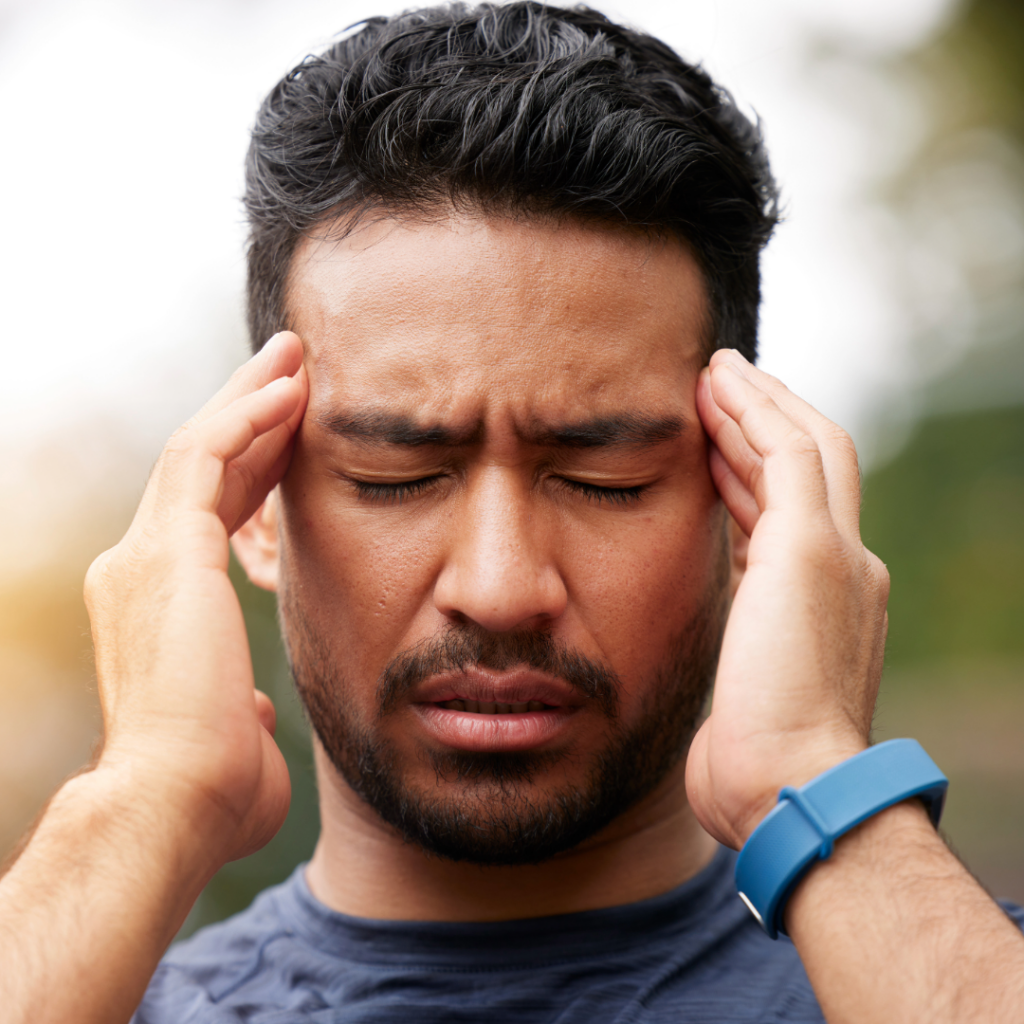
- Have experienced concussion, repetitive head impacts, or traumatic brain injury
- Continue to notice cognitive, sensory, or neurological changes after injury
- Want to better understand what is happening biologically following head injury
- Are seeking a science-based framework for supporting brain health
- You want measurable tools to track your progress and understand what’s working
This is not a replacement for your current care – it’s a new layer of support for those who are ready to take action.
A detailed look at Perpetual Health Tools and Technologies
Below is an overview of some of the assessments, interventions, and supports we utilize to track, guide, and personalize each participant’s care.
| Tools and Technologies | |
|---|---|
| HEALTH ASSESSMENTS | |
| BioMetrix™ BioScan ℹ️ | ✔️ |
| BioMetrix™ NeuroMRI ℹ️ | ✔️ |
| InBody 770 Advanced Body Composition Machine ℹ️ | ✔️ |
| Livenpace Dynamic 24-Hour 12-Lead ECG Holter ℹ️ | ✔️ |
| Spirometry – Pulmonary Function Test ℹ️ | ✔️ |
| Balance Tracking System ℹ️ | ✔️ |
| Hearing Test ℹ️ | ✔️ |
| Eye Exam ℹ️ | ✔️ |
| Purdue Pegboard Test ℹ️ | ✔️ |
| Functional Reach Test (FRT) ℹ️ | ✔️ |
| Lafayette Hand Dynamometer ℹ️ | ✔️ |
| Mobility Testing ℹ️ | ✔️ |
| Vital Signs ℹ️ | ✔️ |
| Quality of Life Questionnaire ℹ️ | ✔️ |
| ADAS Cognitive Assessment ℹ️ | ✔️ |
| BIOCHEMICAL RESTORATION | |
| BioNutrix™ NeuroRestore Supplement Protocol ℹ️ | ✔️ |
| Reverse Osmosis Water ℹ️ | ✔️ |
| Molecular Hydrogen Water ℹ️ | ✔️ |
| PHYSIOLOGICAL RESTORATION | |
| Kaatsu Bands ℹ️ | ✔️ |
| BEMER Pads ℹ️ | ✔️ |
| VitalStim Therapy ℹ️ | ✔️ |
| TheraGrip ℹ️ | ✔️ |
| Cyclic Variations in Adaptive Conditioning (CVAC) ℹ️ | ✔️ |
| Functional Movement Sessions ℹ️ | ✔️ |
| PSYCHOLOGICAL RESTORATION | |
| ENGAGE Community & Education Platform ℹ️ | ✔️ |
| Mental Health Sessions ℹ️ | ✔️ |
| Community Gatherings & Outings ℹ️ | ✔️ | Navigational & Support Team ℹ️ | ✔️ |
Restorative Goals
Our restorative health approach to head injury is guided by goals that focus on supporting foundational brain systems commonly affected by mechanical injury and cumulative neurological stress.
With consistent participation in the program, some individuals have reported positive changes over time. These observations reflect the intended focus of the restorative approach, which emphasizes stabilization, adaptation, and long-term neurological support rather than symptom-based intervention.
Improved Balance & Physical Coordination
Improved Cognitive Clarity & Processing Efficiency
Improved Emotional Regulation & Stress Tolerance
Improved Physical Endurance & Functional Capacity
Improved Focus, Motivation, & Mental Engagement
Increased Confidence in Daily Activities
Please note: Every individual’s experience following a head injury is unique.
Many clients experience meaningful improvements. Individual results vary and outcomes cannot be guaranteed.
Take the Next Step Toward Restoring Health
To better understand your unique needs and provide the most relevant support, please share details specific to your condition or health goals. This information helps us determine the most appropriate program options and ensure you’re matched with the right resources from the start.
If you'd prefer to speak to someone on our team, please book a call here →